2 Years, 11 Selections, $26,382 in donations
When Stephanie Gausch talks about Weld Food Bank, she doesn’t start with statistics
She starts with people.
“The only way we are able to do what we do is because of community support,” said Gausch, who became CEO of Weld Food Bank in April 2026 after serving the organization in other roles for 17 years. “We are only as good as the community around us.”
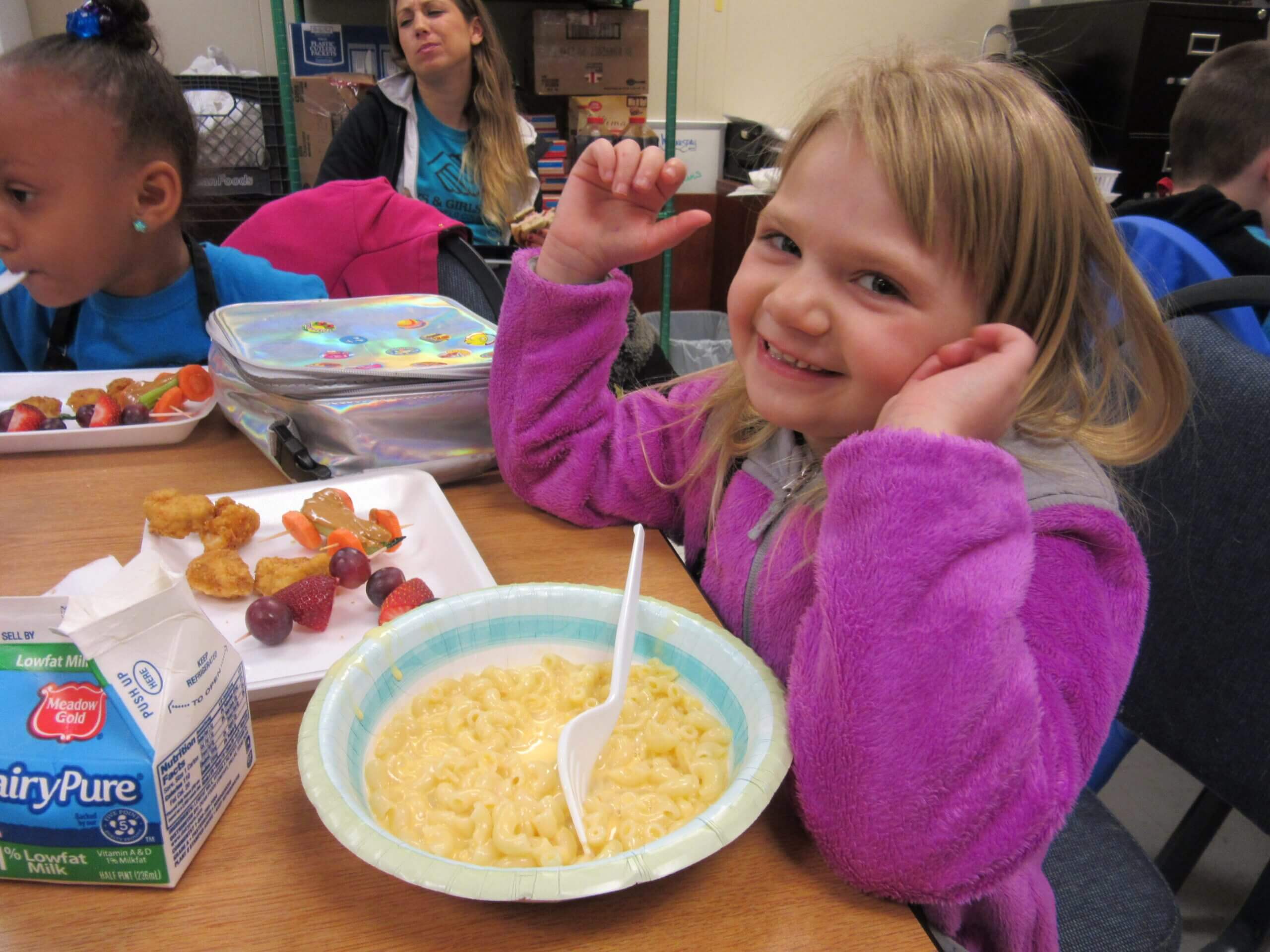
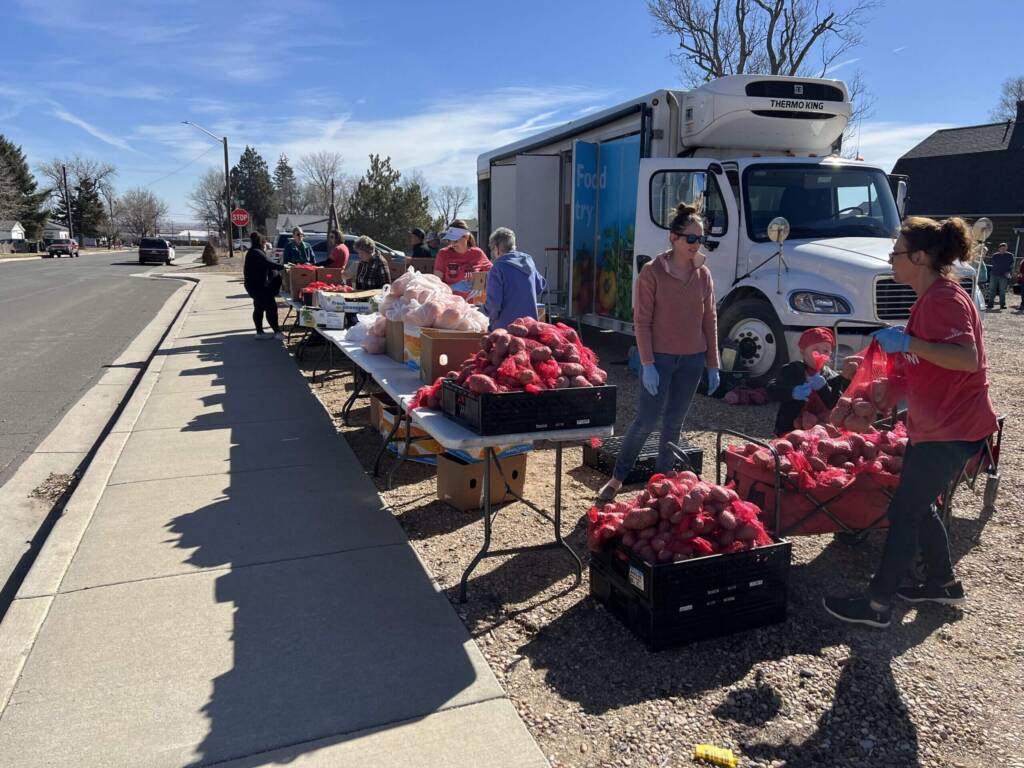
That community support is what allows Weld Food Bank to serve more than 100,000 unique individuals annually across all 4,000 square miles of Weld County, one of the nation’s largest agricultural-producing counties. Last year alone, the organization distributed nearly 16 million pounds of food through eight direct-service programs and partnerships with 73 local nonprofit agencies.
“We are only as good as the community around us.”
But for Gausch, the numbers only tell part of the story. Every day, she sees something more powerful: neighbors helping neighbors.
Founded in 1982 by a group of concerned citizens who recognized both hunger and food waste in their community, Weld Food Bank has grown into a critical resource serving nearly one-quarter of Weld County’s population.
Yet its mission remains rooted in the same principle that inspired its founders more than four decades ago: ordinary people can make an extraordinary difference when they work together.
“I truly believe Weld Food Bank is the embodiment of the community,” Gausch said. “Every time we ask and say, ‘Hey, we need volunteers,’ or ‘We need help bridging this gap financially,’ the community has stepped up.”
Every day, she sees something more powerful: neighbors helping neighbors.
That support comes in countless forms. Some people donate food. Others volunteer their time. Many contribute financially. Together, they create a network of care that reaches every corner of Weld County.
“The food bank really demonstrates what is possible when people work together,” Gausch said. “No matter what, neighbors really care about each other.”
More Than Food
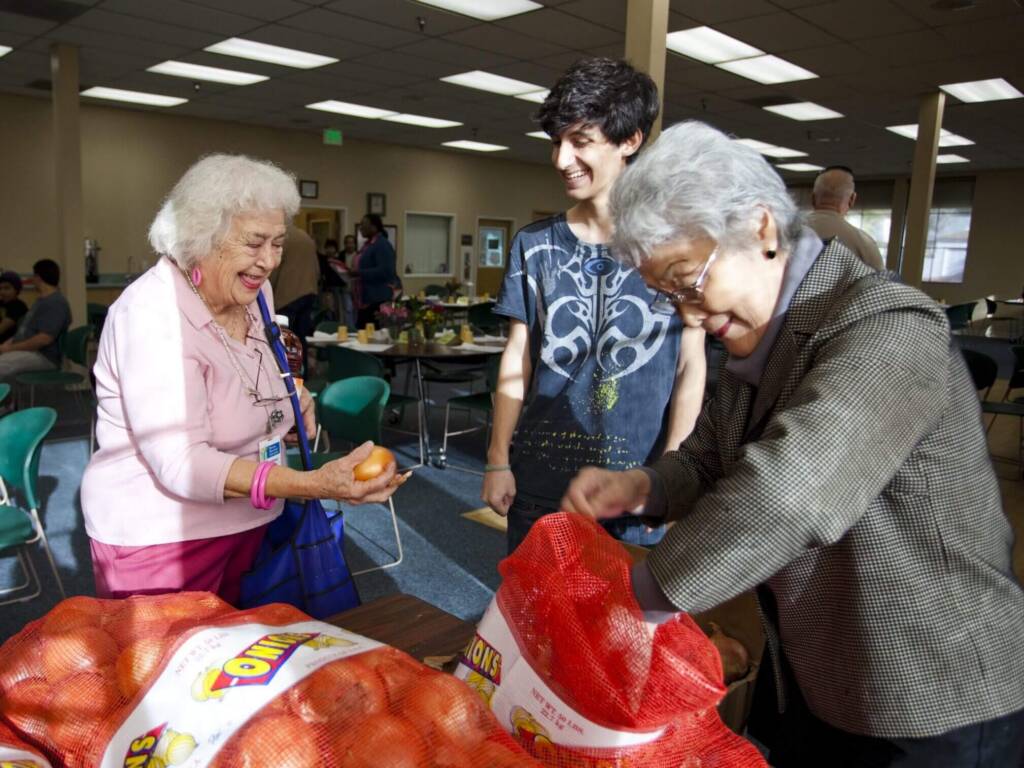
While feeding families remains at the center of Weld Food Bank’s mission, Gausch has seen the food bank nourish something beyond physical hunger: connection, purpose, and community. For many volunteers, the food bank becomes more than a place to serve. It becomes a place to belong.
Many of the food bank’s volunteers are retirees navigating major life transitions, looking for meaningful ways to stay connected, contribute, and find renewed purpose.
“We often get volunteers who may have recently experienced the loss of a spouse, a major life change, or retirement,” Gausch said. “Watching people build friendships and make connections and have the work here become such a meaningful part of their lives is a super special part of working here.”
Her voice grew emotional as she described an 87-year-old volunteer who no longer drives but continues finding ways to serve.
“I think about him a lot,” she said. “It’s meaningful that he can still come here, interact with friends, and feel like he’s giving back to the community. People want to feel purpose. The fact that we can give that to them in some way is really impactful, maybe just as impactful as the food we give out.”
“We often get volunteers who may have recently experienced the loss of a spouse, a major life change, or retirement,” Gausch said. “Watching people build friendships and make connections and have the work here become such a meaningful part of their lives is a super special part of working here.”
A Watermelon and a Mother’s Love
Among the many stories Gausch has witnessed over nearly two decades, one continues to stay with her.
Several years ago, she was helping at a mobile food pantry serving refugee and immigrant families. Many of the neighbors had arrived hours before distribution began, waiting patiently in line with their children.
That day, the food bank was giving away watermelons. When supplies ran out, one young mother learned there would not be enough for her family. Nearby sat a cracked watermelon that had been discarded from a truck and could not be distributed.
Gausch watched as the mother, hoping to bring home a special treat for her young son, crawled beneath the truck to retrieve the damaged watermelon.
“As a mom, the idea of not being able to provide for my kids is something I took for granted,” Gausch recalled. “Here’s a woman crawling under a vehicle to get a special treat for her six-year-old.”
That experience never left her. Today, Gausch continues to use that moment as a motivator – to maximize every donated dollar and ensure enough food is available for every neighbor who turns to the organization for help.
Small Acts, Big Impact
That is why programs that make giving easy matter so much.
Through the King Soopers Fight Hunger bag program, shoppers can support organizations like Weld Food Bank with a simple purchase. While one bag or one dollar may seem small, the collective impact is remarkable.
“People are already shopping, and this gives them a way to turn something they’re already doing into something meaningful for their community.”
“I love this program because it really exemplifies what we see every day at the food bank, which is that one person can make a difference,” Gausch said.
As a busy working mom herself, Gausch understands that people are often looking for practical and convenient ways to give back.
“I think this is such an easy, no-brainer way for people to support the food bank,” she said. “People are already shopping, and this gives them a way to turn something they’re already doing into something meaningful for their community.”
So far, the program has generated more than $26,000 for Weld Food Bank. Through its partnerships, purchasing power, and access to the Feeding America network, Weld Food Bank is able to stretch each donated dollar into approximately six dollars’ worth of groceries for local families. That means those bag purchases have translated into well over $150,000 worth of food for Weld County families.
For Gausch, the program’s success isn’t simply about dollars. It’s about what happens when thousands of small acts of kindness are combined.
That means those bag purchases have translated into well over $150,000 worth of food for Weld County families.
“Each dollar adds up,” she said. “To think that’s done just one bag at a time really shows what you can do when you get a critical mass of folks and the impact we make when we come together.”
The program also reflects the same community spirit that has sustained Weld Food Bank for more than four decades.
“If it’s buying one King Soopers Fight Hunger bag, if it’s donating one dollar, that’s how we grow community support,” Gausch said. “It really shows the impact we can make when we come together.”
Above all, there is Gratitude…
If there is one message Gausch hopes people take away, it is gratitude.
“The gratitude we have for community support is just out of this world,” she said. “Every time there’s a need, this community steps up.”
That support comes in many forms, from volunteers who donate their time to shoppers who purchase a King Soopers Fight Hunger bag. Together, those acts of generosity create a ripple effect that reaches families across Weld County.
But Gausch believes there is still important work to do in building awareness around hunger.
“You can’t tell somebody is hungry by looking at them,” she said. “There is so much more hunger in your community than people realize.”
That’s why every act matters. Whether it’s volunteering, making a donation, purchasing a Fight Hunger Bag, or simply sharing the food bank’s story, each action helps strengthen the network of support that neighbors rely on.
After more than 40 years, Weld Food Bank continues to prove that meaningful change doesn’t always begin with a grand gesture. Sometimes it starts with one volunteer, one donation, or one reusable bag. And when a community comes together, those small acts become something extraordinary.
Published September 16, 2026.